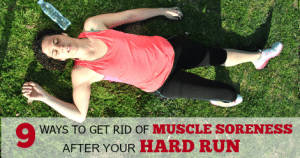
How to Recover From a Hard Run: 8 Steps Backed by Research
Hard workout left you sore? The first 30 minutes are your highest-return recovery window. Here’s what the research shows actually works — from nutrition timing to ice baths to sleep.

Hard workout left you sore? The first 30 minutes are your highest-return recovery window. Here’s what the research shows actually works — from nutrition timing to ice baths to sleep.

That sharp, stabbing pain in your side during a run feels alarming, but side stitches are almost never dangerous. Learn what causes them and how to stop them.

Running shoes need 150–200 miles before race day. Mileage timeline by race distance, blister prevention, and what to do if you’re short on time.

Aqua jogging and the elliptical both maintain cardiovascular fitness during running injuries — but one preserves running mechanics and transitions back to running more safely. Learn how to choose the right modality for your injury recovery phase.

The Q angle doesn’t cause runner’s knee. Research shows hip width and maltracking aren’t the culprit. Here’s what actually drives knee pain and how to recover.

Marathon training with osteoporosis is viable for many runners when volume, strength work, and nutrition are built around bone protection rather than ignored. Peer-reviewed research from the LIFTMOR trial, the IOC REDs consensus, and endurance-athlete bone studies shapes the specific framework in this guide.

Tight glutes in runners usually signal weak, under-activated muscles, not tight fibers. Learn why your glutes get tight, the 3-minute activation sequence, and the strength routine proven to fix them in 3–4 weeks.

A week off won’t ruin your running fitness. See the exact VO2max decline timeline, how to hold fitness during a forced break, and why you might be slower.

Barbara Galloway’s run-walk-run method uses strategic walk breaks to reduce injury risk and preserve performance during distance running. Learn how the method works, the research supporting it, and how to implement it in your training.

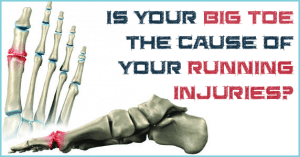
Hallux limitus restricts big toe movement and shifts load to your ankle, knee, and hip. Learn the 4 exercises that restore mobility and keep you running.