
Training Articles

Heat Stroke and Running: Signs Every Runner Must Know
Heat stroke hits above 104°F and can turn deadly in minutes. Learn to tell heat exhaustion from heat stroke, spot the warning signs, and cool a runner fast.

Heat stroke hits above 104°F and can turn deadly in minutes. Learn to tell heat exhaustion from heat stroke, spot the warning signs, and cool a runner fast.


Wildfire smoke or summer smog outside? See what PM2.5 and ozone do to runners, the AQI levels to shorten or move indoors, and how to check before a run.

Splitting a long run in two? Easy runs are fine, long runs lose key adaptations. See what you lose and the recovery gap that makes a split work.

Do nasal strips work for running? A review of 19 studies found no VO2max gain for most runners, but one group is the real exception. See who benefits.
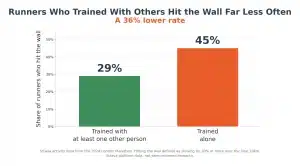
Strava’s data shows runners who train with others bonk far less often than those training alone. The peer-reviewed research explains why, and the answer has nothing to do with race-day fueling. Training consistency is what decides a fall marathon, and one missed week costs more than any gel ever gave back.


See a good VO2 max by age and sex, where elite runners and Lance Armstrong land, and how to test your number and turn it into faster, smarter training.

How many days a week should older runners run? Most runners 60 and up do best on 4 to 5 days, with smart spacing between hard sessions. See the weekly plan.

Strides are 20 to 30 second efforts that build speed and running economy. Learn how many to do, how often, how fast to run them, and why longer strides backfire.
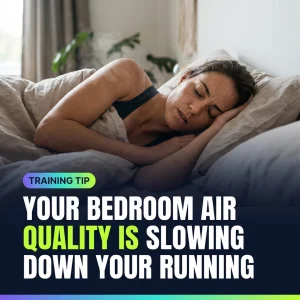
A 500 AQI is hazardous, but even “good” air in your bedroom can slow your running 4%. See what each AQI number means for runners and how to clean it up.
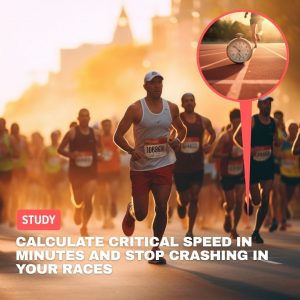
Critical speed (also called critical velocity) predicts race times with up to 90% accuracy, outperforming VO2 max. Learn how to calculate your CS from race times and pace every distance from 5K to marathon with it.