Injury Prevention

Vertical Oscillation Running: 6–9 cm Target + 5 Fixes
Your Garmin flashed 11.8 cm. Is that high? Target range is 6–9 cm for most training paces. Learn what vertical ratio means, plus 5 form fixes to lower yours.

Your Garmin flashed 11.8 cm. Is that high? Target range is 6–9 cm for most training paces. Learn what vertical ratio means, plus 5 form fixes to lower yours.

Your arms work harder during running than you realize, counterbalancing leg swing and keeping your torso stable. When you increase training volume or let your form break down under fatigue, arm muscles accumulate damage that triggers soreness peaking 24-72 hours later.

Patellofemoral pain accounts for up to 30% of running injuries. Learn the biomechanical signs of quad dominant running and the 5 exercises that correct it. Find out more.

You’ve probably experienced it during group runs or races: watching another runner glide effortlessly past you while you’re working twice as hard to maintain the

You’ve probably heard it during group runs, read it in magazines, or been told by well-meaning runners: “You need to stop heel striking, it’s destroying

You’ve probably noticed it during group runs or races: that one runner who seems to glide effortlessly while you’re working twice as hard to maintain

“Quick feet, quick feet!” My high school coach used to shout as we launched into the last lap of a track race. More often than

In last week’s article “How Does Cadence Affect Injury and Performance,” we saw how making a small change to one’s running mechanics can have a
If you’re a long-time reader, then you know how frequently we discuss the topic of taking your easy days slow; and if you’re new to
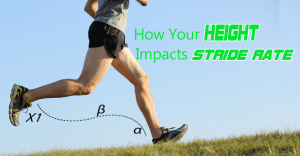
If you follow running research, you probably know about all the evidence that says maintaining a high stride frequency (or stride rate or cadence) can