Here’s a statistic that might surprise you: An estimated 20.9% of U.S. adults experienced chronic pain during 2021, according to research from [1] the Centers for Disease Control and Prevention.
That’s more than heart disease, cancer, and diabetes combined.
And if you’re a runner dealing with plantar fasciitis that won’t quit, an old injury that flares up on long runs, or arthritis that makes every step a negotiation, you’re part of an even more specific struggle, up to a study shows [2] that 79% of runners experience pain during training.
But here’s what most runners battling chronic pain don’t realize: you don’t have to choose between managing your condition and continuing to run.
You just need to train differently.
This article is for adult runners who refuse to let persistent issues sideline them permanently.
You’ll learn the critical distinction between pain you can train through and pain that signals injury, evidence-based strategies for modifying your training, the truth about when NSAIDs actually help (spoiler: probably not when you think), and how to build sustainable training that works with your body’s limitations instead of fighting against them.
Because the difference between running pain-free for years to come versus sitting on the sidelines, or worse, turning temporary issues into permanent damage, often comes down to knowledge, not just willpower.
Understanding Pain vs. Injury: The Decision That Changes Everything
Let’s start with the most important skill you’ll ever develop as a runner with chronic pain: knowing when to push through and when to stop immediately.
Pain affects up to 79% of runners, research shows [3], but many don’t know how to interpret what their body is telling them.
Chronic pain is officially defined as pain lasting at least 12 weeks.
For runners, this commonly shows up as plantar fasciitis (affecting 4.5-10% of runners according to one study [4]), arthritis, or old injury sites that refuse to fully heal.
The Critical Distinction
Soreness typically feels like a tender sensation when touching muscles.
Muscles feel tight at rest and burn during exercise.
This is Delayed Onset Muscle Soreness (DOMS), which comes on 24-36 hours after a tough workout.
Light movement and stretching actually make it better, not worse.
Pain is different, it’s sharp, stabbing, or shooting.
It’s localized to a specific joint or area rather than diffuse.
Here’s the key: pain that worsens progressively during your run is a red flag.
If it affects your gait, causes limping, appears at rest, or comes with swelling, numbness, or tingling, you need to stop.
The Four Rules for Running with Pain
Four key rules can guide your training according to research [5] on trail runners (but they apply to all runners):
Rule #1: Stop immediately if pain increases during a run or changes from achy to sharp.
Rule #2: Joint pain should not linger or increase 24 hours after a run, if it does, your volume was excessive.
Rule #3: If pre-existing pain is present (under 3 out of 10), it should not increase during the run or persist into the next day.
Rule #4: Stop training until pain-induced compensations in your running form disappear.
There’s also the “two-hour rule”: if your pain is worse two hours after exercise than before you started, you overdid it and should scale back intensity or duration next time.
Common Chronic Conditions: What You’re Actually Dealing With
Plantar Fasciitis: The Third Most Common Running Injury
Plantar fasciitis affects 4.5-10% of runners according to research [6], making it the third most frequent running injury after medial tibial stress syndrome and Achilles tendonopathy.
It’s not just inflammation, recent evidence indicates the real problem is degeneration of the fascial fibers themselves.
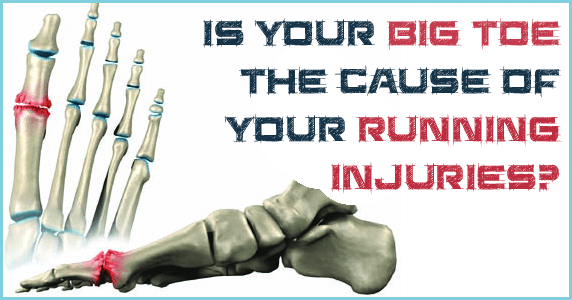
The most common culprits? Calf tightness limiting ankle dorsiflexion, restricted big toe movement disrupting the “windlass mechanism,” and the classic training error of ramping up mileage too quickly.
The good news: Research shows [7] that 90% of plantar fasciitis cases resolve with conservative measures.
The protocol that works? Calf stretching three sets of 30 seconds, three times daily (both with straight and bent knee), plantar fascia-specific stretches held for 10 seconds and repeated 10 times, and gradual return to running with reduced distance and intensity.
Arthritis: The Myth That Needs to Die
Here’s the truth that might surprise you: recreational runners have lower arthritis rates (3.5%) than sedentary people (10.2%), according to a systematic review [8] published in the Journal of Orthopaedic & Sports Physical Therapy.
Running is not associated with worsening knee osteoarthritis in short-term studies according to research from the Osteoarthritis Initiative.
In fact, it may actually be protective against generalized knee pain.
The caveat? Intensity matters. Competitive runners logging more than 57 miles per week show higher arthritis rates (13.3%).
But light-to-moderate jogging at 50-70% of heart rate reserve, performed three days per week, can actually reduce knee pain in older adults with arthritis, research demonstrates [9].
The NSAIDs Question: When Anti-Inflammatories Help (and Hurt)
Let’s address the elephant in the room: those ibuprofen bottles in your medicine cabinet.
Studies show [10] that 50% of Ironman competitors use NSAIDs before or during races, and 57% of parkrun UK participants take them before runs or races.
Here’s what the research actually says: NSAIDs provide no performance benefit.
A study [11] on male long-distance runners found that prophylactic ibuprofen administration did not beneficially affect endurance performance in runners experiencing muscle pain.
Worse, NSAIDs may slow recovery.
Laboratory research confirms that NSAIDs after exercise result in slower healing of muscles, tissues, ligaments, and bones.
The Serious Risks
NSAIDs inhibit blood flow to your kidneys.
Combined with the dehydration that occurs during running, this creates what doctors call a “double whammy” for kidney function.
One study [12] found that chronic ibuprofen use in long-distance runners stimulated mild endotoxemia, bacteria leaking from the colon into the bloodstream.
This can amplify inflammation and oxidative stress, actually increasing soreness and delaying recovery.
When They Might Be Appropriate
The limited use case: 2-3 hours post-run (once you’re rehydrated) for an acute injury, one dose of 200mg.
Or for very slow-to-heal chronic injuries, a two-day ibuprofen cycle to disrupt the inflammation cycle, as some coaches report success with.
Never before or during running.
Never for more than four days without medical supervision.
The better alternative? Acetaminophen (Tylenol) provides pain relief without anti-inflammatory effects and is gentler on your stomach and kidneys.
Training Modifications That Actually Work
So how do you actually train with chronic pain?
Start with 10-minute walks, not even running initially.
Walk around your house for 10 minutes to build a foundation before adding impact.
Progress to a walk-run pattern: 30 seconds running, one minute walking, and repeat.
Never increase weekly mileage by more than 10%.
If you’re running three miles per week and want to increase distance, add maximum 0.3 miles.
Include deload weeks every 3-4 weeks where you reduce volume by 20-30%.
The 20-minute test is a good standard: you should be able to run 20 minutes straight without pain if you’re running regularly.
If pain forces you to stop at 10 minutes, you need to seek professional help.
Surface Selection Matters
Research indicates [13] no single surface provides the safest workout.
The best approach? Variety.
Rotate between concrete (highest impact but most consistent), rubber tracks (reduced pressure at foot contact), and grass or trails (lower impact but requiring more neuromotor control).
This distributes stress patterns across different structures instead of overloading the same tissues repeatedly.
Cross-Training: Your Secret Weapon
Cross-training helps avoid overuse injuries like Achilles tendonitis, shin splints, and stress fractures.
Pool running maintains running-specific movement patterns with zero joint impact, ideal for stress fractures, severe plantar fasciitis, or arthritis flares.
Cycling works large lower extremity muscle groups and is particularly good for knee issues.
Try integrating it with running: 15 minutes cycling, 10 minutes running, 15 minutes cycling to reduce cumulative impact load.
Strength training is non-negotiable.
Weak hips, glutes, and core lead to poor form and increased joint stress.
Research shows [14] just 15-20 minutes of targeted strength training 2-3 times per week makes a significant difference.
Working With Limitations, Not Through Them
The mindset shift required for running with chronic pain is substantial.
You’re not training like someone without your condition, and comparing yourself to those runners will only lead to frustration.
A large Cochrane systematic review [15] found that exercise programs lasting eight weeks or longer are safe and can reduce pain severity, improve physical health, and enhance quality of life in people with chronic pain.
The key phrase there? Eight weeks or longer.
This isn’t a quick fix.
Track pain patterns in your training log, note what aggravates versus what helps.
If pain lasts for three consecutive runs, that’s more than an ache and requires adjustment.
Work with healthcare providers who understand running and won’t simply tell you to “just stop running” unless absolutely necessary.
Physical therapists and sports medicine doctors can analyze your gait and biomechanics to address root causes rather than just symptoms.
The Bottom Line
Chronic pain doesn’t mean the end of running, it means running differently.
Master the pain versus injury distinction, understand your specific condition and its evidence-based modifications, and build a comprehensive approach that includes smart programming, appropriate cross-training, and strength work.
Research consistently shows [16] that appropriate exercise, including running, actually reduces chronic pain when done intelligently.
Your body has limitations.
That’s reality.
But within those limitations, there’s still room to run, improve, and find joy in the sport you love.
You just need patience, adaptability, and the willingness to listen to what your body is telling you instead of fighting it every step of the way.