
Training Articles

Running Shoes for Your Foot Type: Does Arch Height Matter?
Matching shoes to arch height didn’t cut injuries in 7,203 military recruits. Learn your foot type and what to use instead to pick your next running shoe.

Matching shoes to arch height didn’t cut injuries in 7,203 military recruits. Learn your foot type and what to use instead to pick your next running shoe.
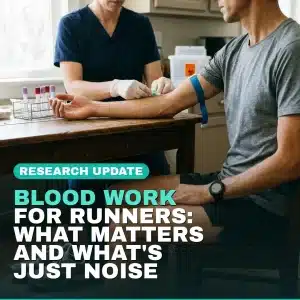

A normal blood test can still mean low iron for a runner. Here are the blood markers that matter, which results are just noise from hard training, and how to time blood work across a training cycle.

Every extra mile your friends run adds about a third of a mile to yours. Here is what the research says about running with other people, why training alone makes the post-race and winter slump worse, and who to run with on each type of run.

Research found 2 minutes of rest between 4-minute intervals worked as well as 4. Learn when to stand, walk or jog, and the fastest way to catch your breath.

Easy miles won’t build your neuromuscular system. Learn how strides, hill sprints, heavy lifting and plyometrics make you faster, with a starter dose for each.


Garmin’s VO2 max can miss a lab test by 10 points either way. Find out how accurate it is, why it drops after hot or hilly runs and how to set your paces.
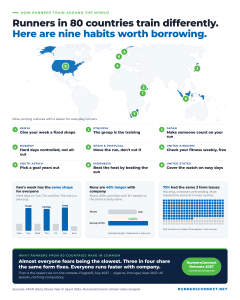
Over the last few years, about 240 runners from our coaching community in more than 20 countries came to our running retreats. They came from


Hot packs warmed deep hamstring muscle just 0.4°C (0.7°F). Learn when heating pads, hot baths and Icy Hot help before a run, and when you should skip them.

Aerobic running means running easy enough to fuel your muscles with oxygen. Even a 1,500 m race is about 80% aerobic. Learn how to check your aerobic pace.

A slow jog warms you up for easy runs. Before workouts and races, add drills and strides. Get the routine, the stretching research and how long to warm up.