Exercise Scientist Reveals 4 Reasons Every Runner Should be Taking a Creatine Supplement
Creatine is most often discussed in the context of building muscle. But the latest science shows it may be the secret weapon for runners, cyclists and endurance athletes. A deep dive into the research.
If you’re like most runners I know, you’ve probably dismissed creatine as “that bodybuilder supplement” that has nothing to do with endurance performance.
But, recent research indicates you may be very wrong and it could be costing you significant gains in training adaptation, recovery, and race-day performance.
So, in this article, we’re going to dig deep into…
What creatine is and how our updated understanding of how it works has debunked the myth that it’s only for bodybuilders
The research on the specific benefits of creatine for endurance athletes
The simple daily protocol that enhances recovery without weight gain
Which runners benefit most (and who should skip it entirely)
What Creatine Actually Is (And Why Everything You Thought You Knew Is Wrong)
Despite the common misconception, creatine isn’t some synthetic chemical cooked up in a lab to make people bulky.
The reality is that your body produces creatine naturally every single day.
Your liver, kidneys, and pancreas manufacture creatine from three simple amino acids: arginine, glycine, and methionine.
You also get creatine from foods such as red meat, fish, and chicken.
The problem is that even if you eat meat regularly, you’re only getting 1-2 grams daily from your diet (and as we’ll detail later, you need at least 3-5 grams to see benefits).
Unfortunately, your body also loses about 1-3 grams of creatine every day through normal cellular processes.
Even more challenging, your natural production can’t keep up with optimal levels, especially if you’re training hard.
The practical takeaway: most endurance athletes are operating with suboptimal creatine stores without even knowing it.
📚 The Research on How Creatine Helps Endurance Athletes
So, what does creatine actually do?
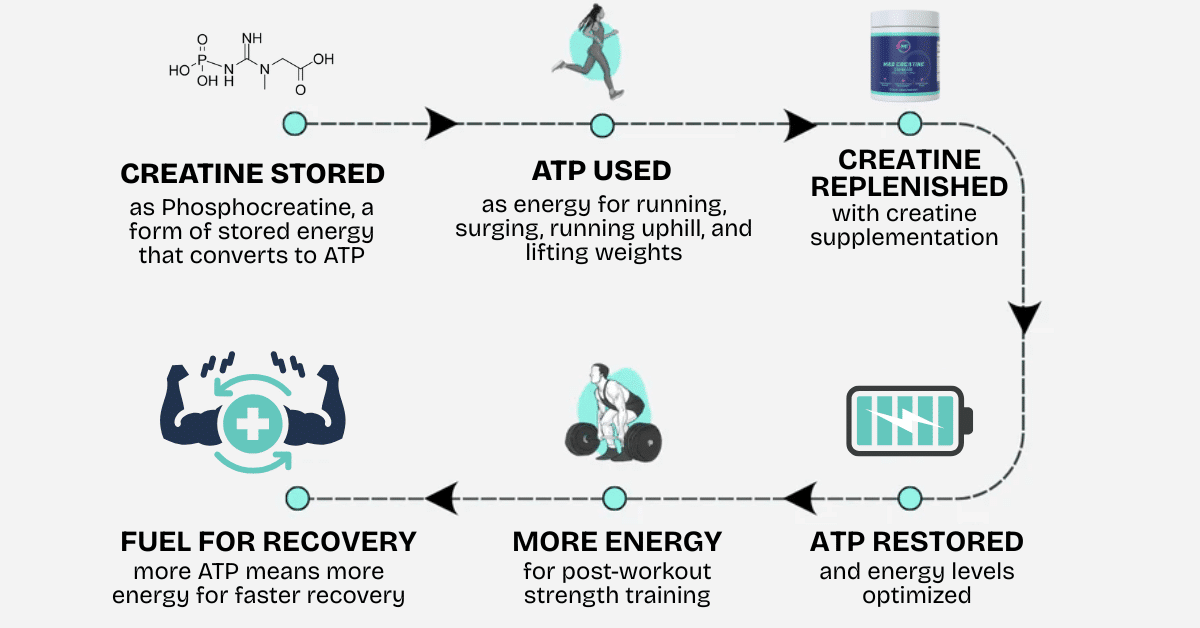
Your muscles store creatine as phosphocreatine.
Phosphocreatine is a form of stored energy in the cells. It helps your body produce more of a high energy molecule called ATP.
ATP is the energy source we use for immediate power like when surging, running uphill, and lifting weights.
We are now understanding that ATP use isn’t just limited to these small bursts of energy when exercising.
The same ATP that powers your muscles during exercise also fuels the recovery process, helps rebuild damaged proteins, repair cellular structures, and restore glycogen stores.
So now that we have a much better understanding of what creatine is, how it works, and the role ATP can play in a myriad of processes, what does the actual research say about the benefits in can provide for endurance athletes?
Improved Recovery
5 Research Papers
Significant Effect
Recovery is probably one of the most critical (and under appreciated) aspects of training.
You can schedule the most optimal, sophisticated workouts in your training build-up, but if you don’t properly recover between these sessions then there is no benefit.
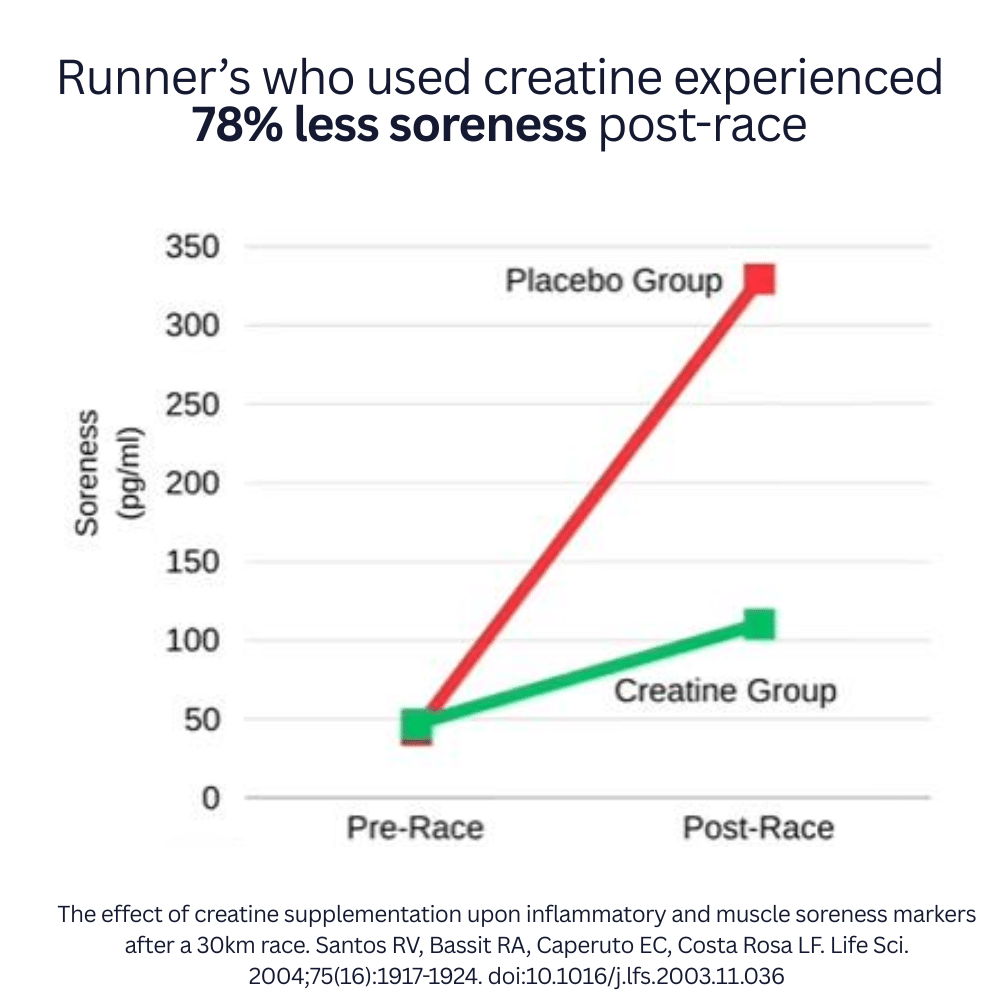
Luckily, there is compelling evidence that creatine helps mitigate muscle cell damage and decrease markers of inflammation, such as creatine kinase (CK) and lactate dehydrogenase (LDH), following prolonged efforts.
Specifically…
Research shows creatine supplementation reduces muscle cell damage and inflammation following marathon-distance efforts [PMID: 37096381].
Additional studies demonstrate reduced pro-inflammatory markers and muscle soreness after 30km races [PMID: 37096381].
Creatine has been shown in multiple studies to increase the energy stores available to aid in recovery directly after hard sessions.
Likewise, studies have shown that creatine can enhance cellular repair and protein synthesis [PMID: 33557850].
Finally, creatine enhances the hydration in your muscles, which supports optimal cellular function and may contribute to improved recovery.
The practical outcome is that you’ll perceive less delayed onset muscle soreness, quicker return to training, and enhanced tissue repair.
Enhance Muscle Strength Even as You Get Older
5 Research Papers
Significant Effect
Age-related muscle loss is one of the biggest threats to long-term running performance and injury prevention.
Starting around age 30, most adults begin losing 3–8% of muscle mass per decade. For runners, this translates to weaker glutes, reduced power output, and higher injury risk with each passing year.
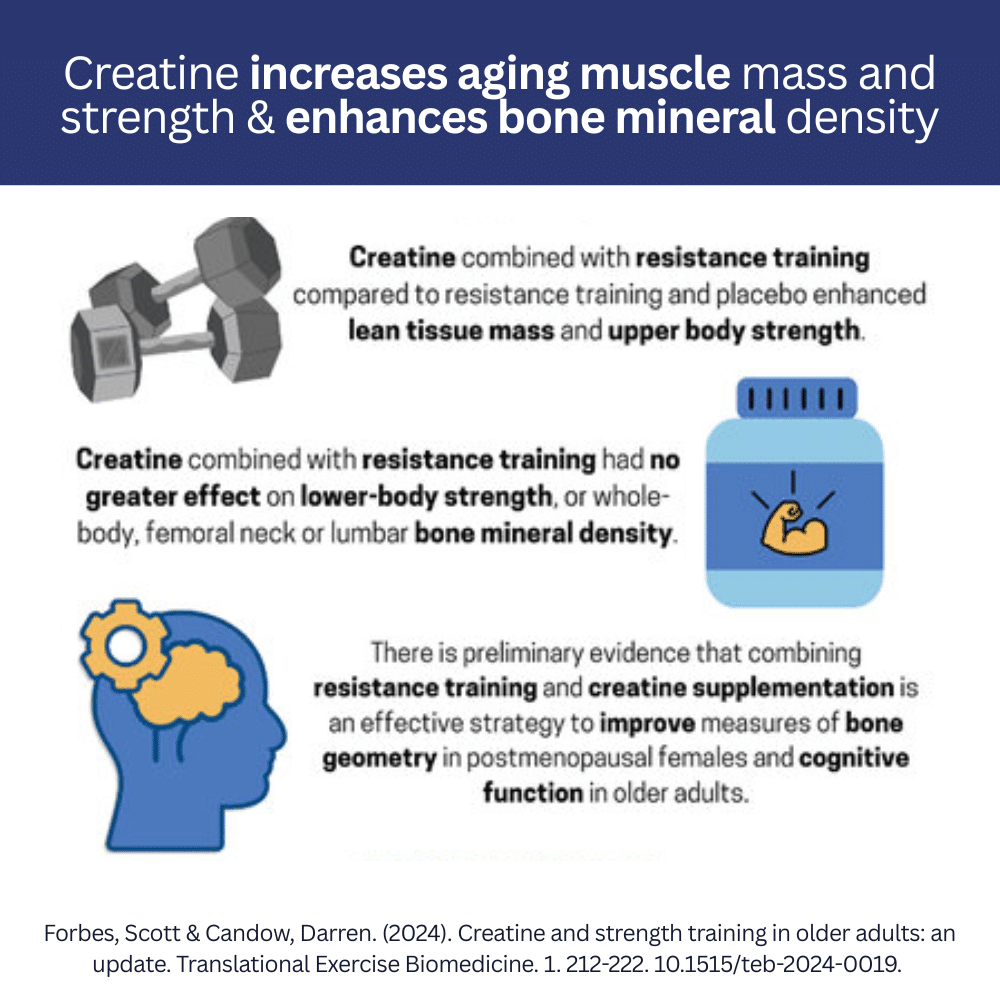
Luckily, there is compelling evidence that creatine monohydrate is one of the most effective and safe compounds for preserving lean mass and enhancing strength, particularly in adults over 35.
Here’s a brief look at what literature says…
Research shows creatine supplementation during resistance training in older adults resulted in significantly greater gains in lean tissue mass and muscular strength compared to placebo [PMID: 39519498].
Meta-analysis of 22 studies showed older adults supplementing with creatine gained ~1.4 kg more lean mass on average than non-users during training [PMID: 29138605].
Studies demonstrate that creatine helps maintain power output and muscle function even during periods of reduced training or injury recovery [PMID: 28615996].
Research indicates creatine supplementation enhances the muscle protein synthesis response to resistance training in older adults [PMID: 39796530].
Finally, creatine has been shown to improve bone mineral density in older adults when combined with resistance training [PMID: 41062952].
The practical outcome is greater muscle retention, reduced injury risk, and better metabolic recovery after each session, allowing you to maintain running performance well into your later decades.
Improve Endurance & Stamina
5 Research Papers
Significant Effect
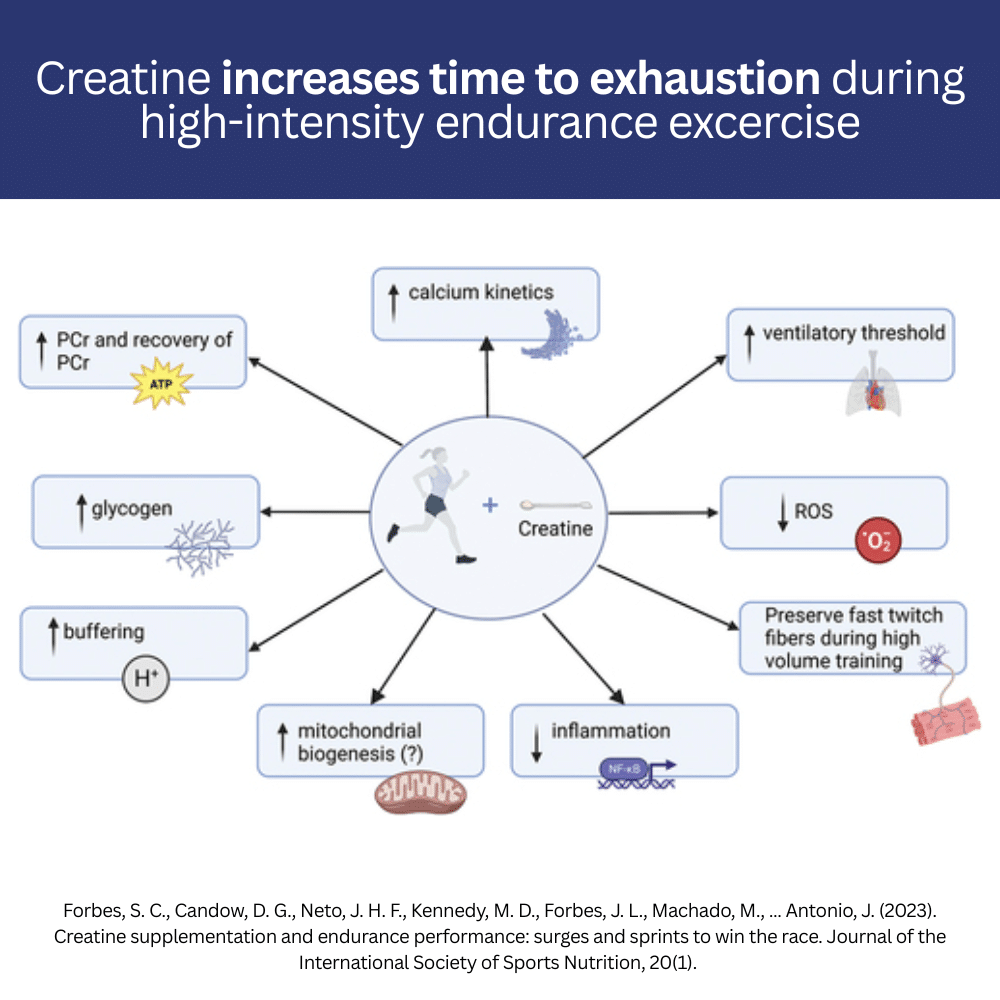
Beyond ATP, creatine plays a direct and powerful role in sustaining high-effort performance, improving aerobic and anaerobic efficiency, and helping athletes train longer with less fatigue.
Specifically…
Newer studies suggest creatine enhances aerobic metabolism by improving mitochondrial efficiency and biogenesis (creation of new mitochondria), especially when combined with endurance training [PMID: 37096381].
Research shows creatine increases mitochondrial efficiency and increased the production of new mitochondria [PMID: 370963812] which can improve aerobic performance.
Creatine acts as a buffer, helping neutralize hydrogen ions, which are the reason we get that burning feeling (often misattributed to lactic acid) at the end of workouts and races.
Research indicates creatine supplementation attenuated lactate accumulation and improved fatigue resistance during repeated effort.
Finally, studies show creatine may improve ventilatory threshold—the point where breathing increases significantly during exercise [PMID: 34859731].
The practical outcome is better stamina, improved energy utilization during long efforts, the ability to maintain pace longer during tempo efforts and threshold workouts, and less bonking during races.
Increase Glycogen Storage
5 Research Papers
Significant Effect
When it comes to endurance performance, glycogen is king.
It’s the primary fuel your muscles use during long-duration efforts—and once it’s gone, so is your speed, power, and drive.
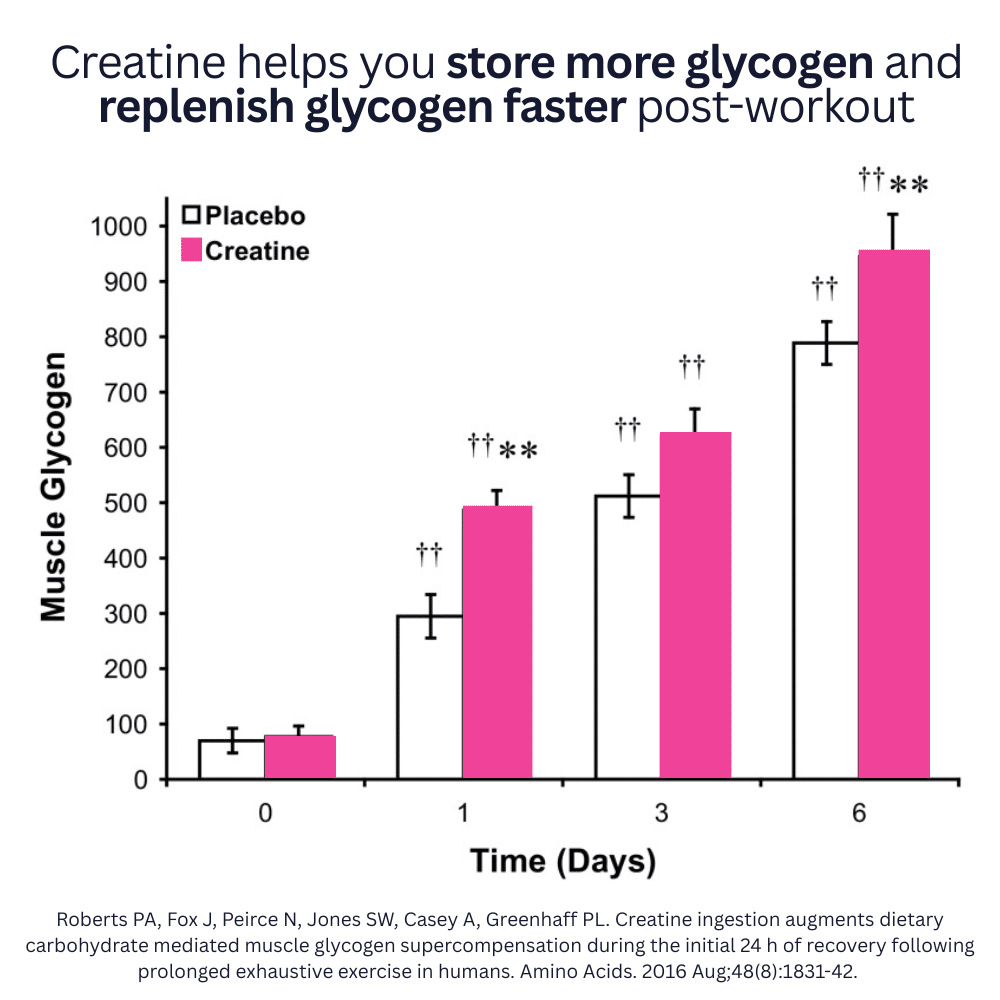
What most endurance athletes don’t realize is that creatine also increases your muscles’ ability to store glycogen.
Specifically…
Research shows creatine increases glycogen storage by up to 50% when taken alongside carbohydrates [PMID: 9694422].
Studies demonstrate creatine enhances cellular hydration and glucose transporter activity (GLUT-4), which improves glucose uptake into muscle tissue [PMID: 14724211].
Creatine supplementation with carbohydrate loading resulted in significantly higher muscle glycogen content compared to carbohydrate alone [PMID: 9694422].
Research indicates creatine increased muscle glycogen resynthesis post-exercise, suggesting an enhanced ability to store fuel during recovery [PMID: 34199588].
Finally, creatine helps maintain glycogen stores during training, allowing for more consistent energy availability across multiple sessions [PMID: 40221559].
The practical outcome is enhanced fuel storage capacity, faster glycogen replenishment between training sessions, and improved energy availability during long efforts
So, What type of creatine works best for runners and why?
In looking at the research, I think almost every runner will benefit from supplementing with creatine.
Not only are the performance and health benefits well-supported across multiple studies, but there are very few, if any, contraindications or safety concerns.
That said, not all creatine supplements are created equal.
Most creatine supplements suck for runners because they’re not designed for the specific needs and challenges of endurance athletes.
Bodybuilders don’t mind grainy powders and they consider stomach distress a mild inconvenience.
But runners need convenience and something that is going to be easy on their stomach. GI issues are no joke when you’re miles from a bathroom.
That’s why I recommend…
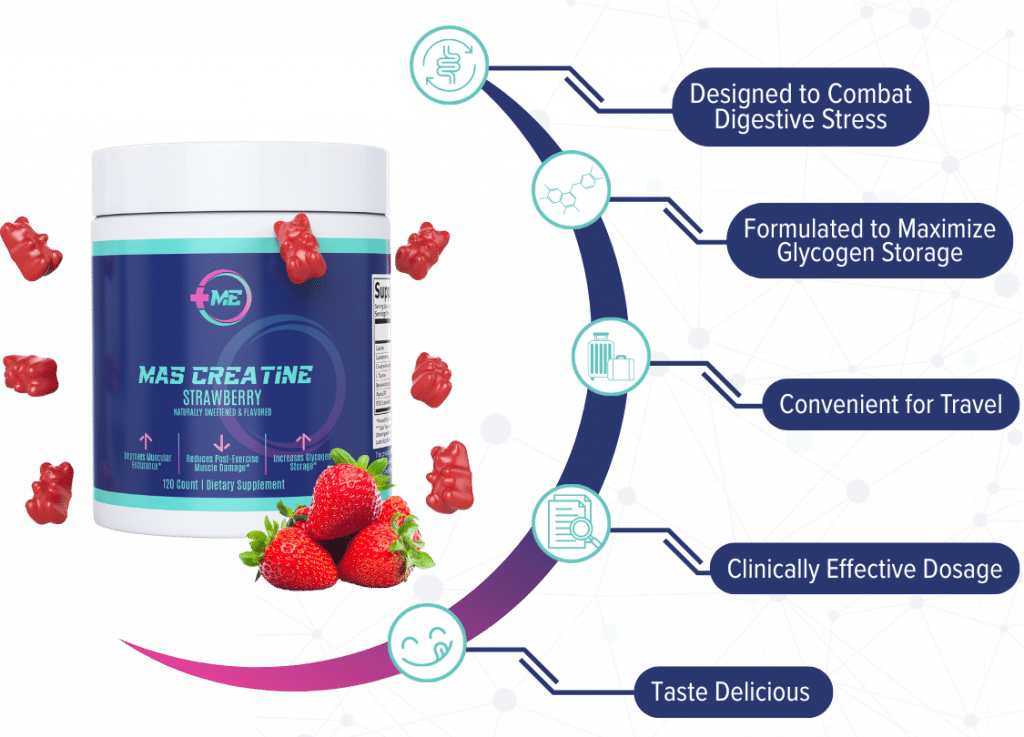
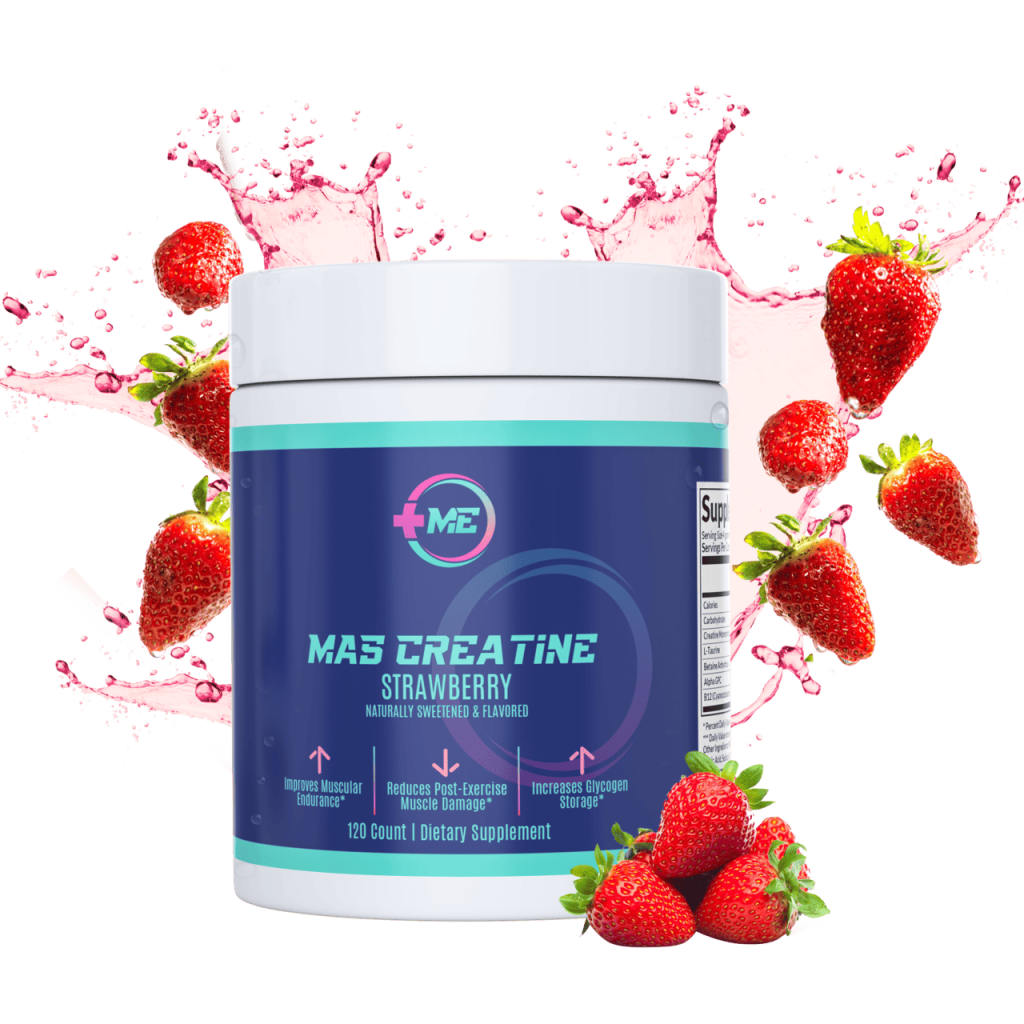
MAS Creatine: Creatine gummies designed for the needs of endurance athletes.
Superior Bioavailability Means No Stomach Issues
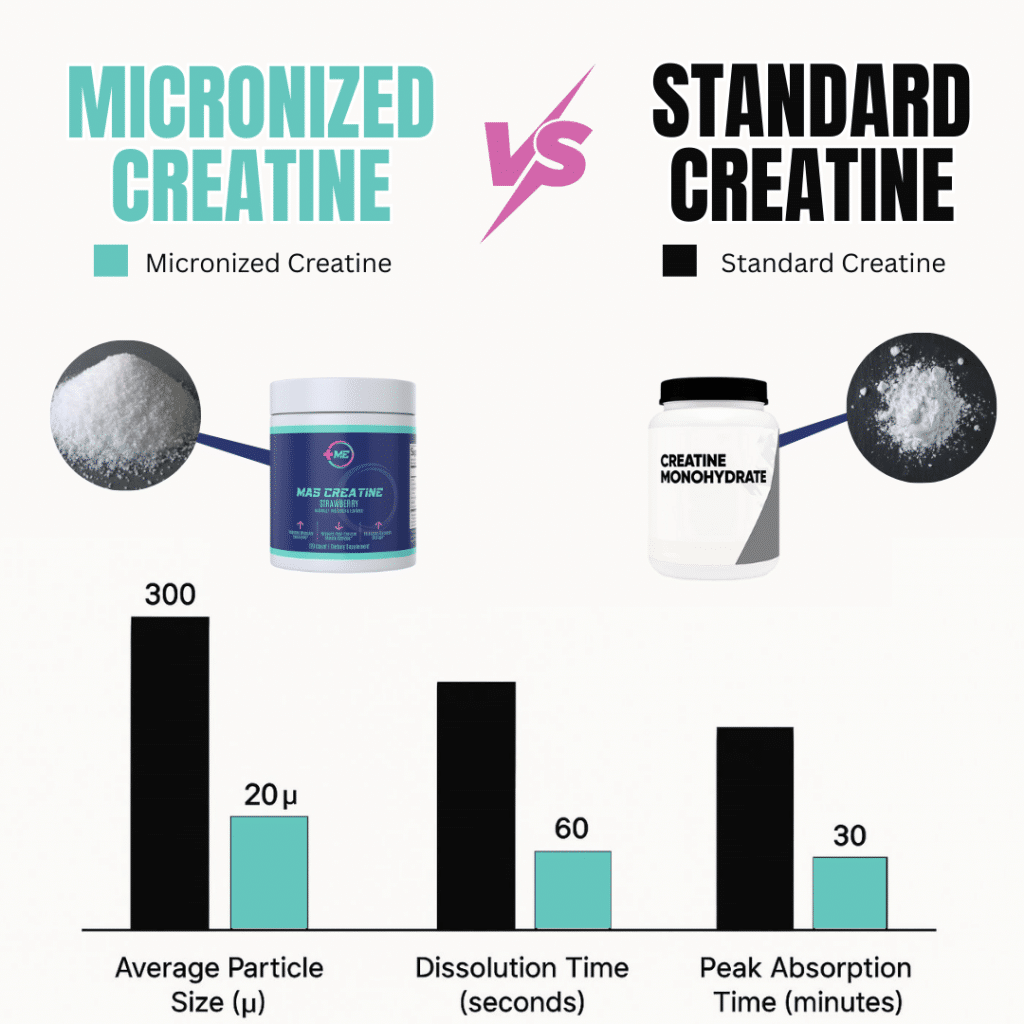
Most creatine powders use a larger particle size to save money during the manufacturing process.
These large, irregular particles don’t dissolve completely, creating an osmotic effect that draws water into your intestines.
For your average athlete who uses creatine for the gym, this isn’t a big issue since they don’t deal with the same stomach challenges runner’s do.
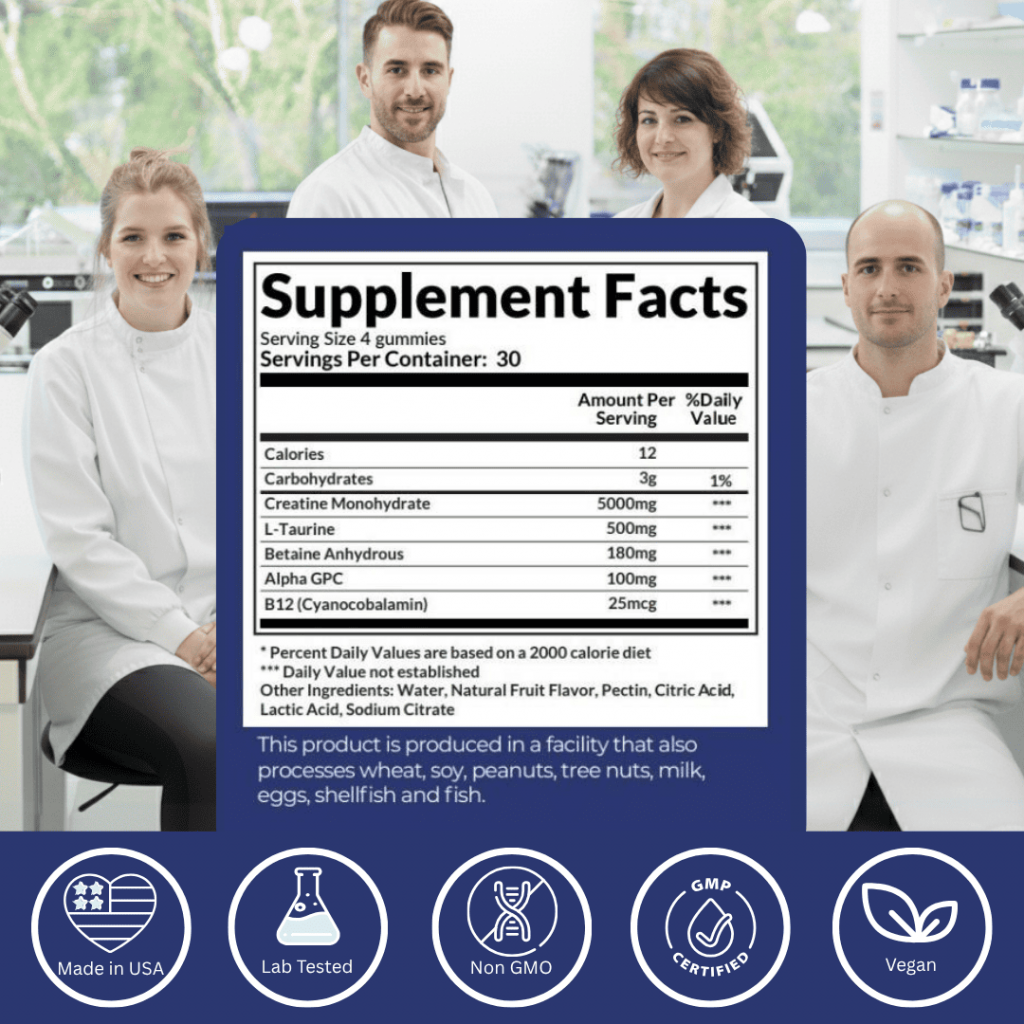
Our gummies are made with micronized creatine, which is a 100% soluble type of creatine with superior bioavailability.
0%
Soluble
0x
More Bioavailable
That means they are specifically formulated to be absorbed quickly so it’s gentle on the stomach.
Delicious Gummies Make Staying Consistent Easy
Research shows that creatine works best when your muscles are fully saturated, which means being consistent with your intake.
But, traditional creatine powders are chalky, hard to mix, and inconvenient.
MAS Creatine gummies are so delicious you’ll be hoping that the latest research suggesting using 20 grams per day for cognitive benefits is actually true.
Runners who switched turn creatine supplementation into a 10-second routine that they don’t want to miss.
Absolutely delicious
Easy to Stay Consistent
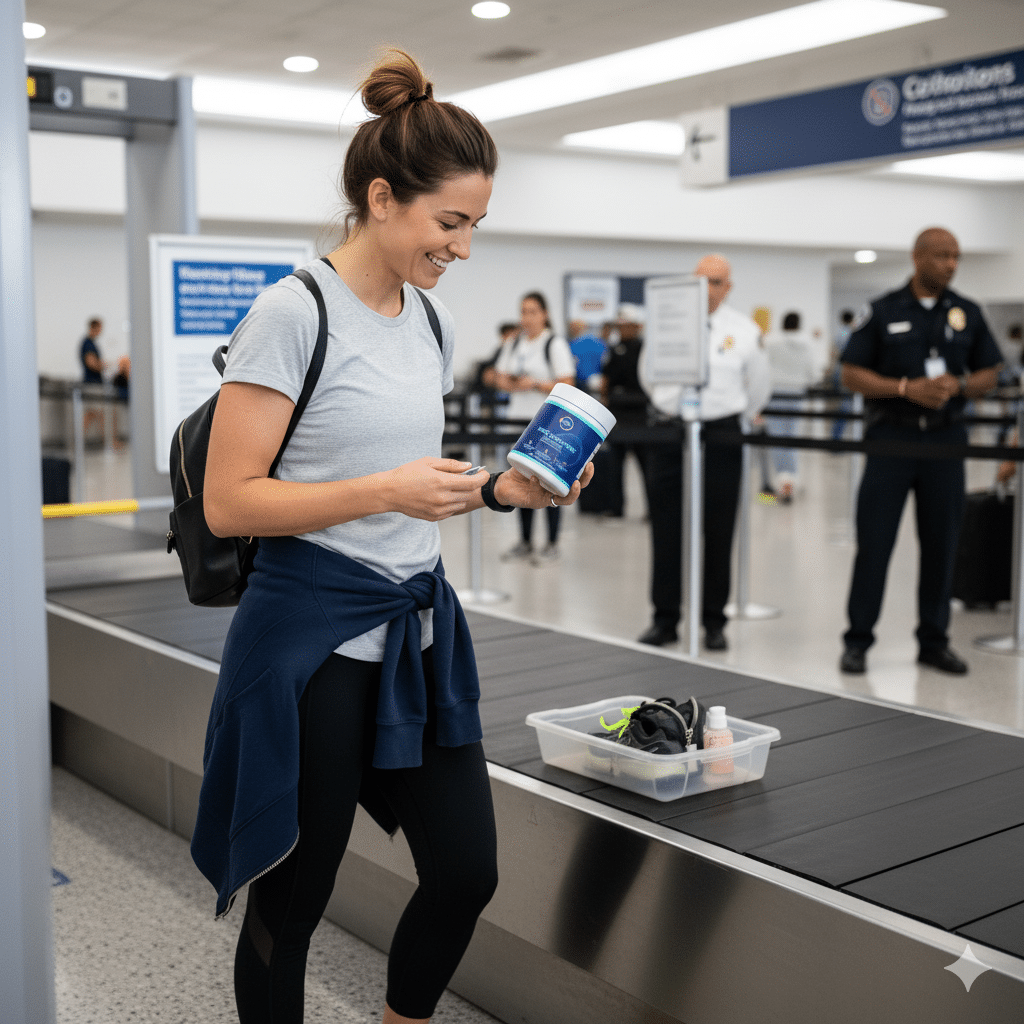
Makes Traveling with Creatine Easier
You travel for races or work trips, but bringing powder supplements creates airport security hassles and hotel room mixing logistics.
If you’ve ever tried to take powders like creatine, protein or electrolyte mixes through airport security or find ways to mix them without the right bottle, then you know the struggle.
That’s why gummies are so much better for travel and convenience.
No liquids to declare
No mixing or bottles need
And no concerns about powder substances
With MAS Creatine Gummies, you get a delicious creatine supplement that are convenient to take with you for workouts, races, vacations, and business trips.
Beverly
So much easier on my stomach
This is my 3rd order. I started taking creatine after watching a lot of the guests on Joe Rogan talk about the benefits, but I always had tons of stomach issues. I tried a few brands but they all made my stomach angry. I thought I’d give a gummy a try after reading they may be more gentle on the stomach. So glad I did. These taste great and I’ve had no stomach issues.
More Bang for Your Buck
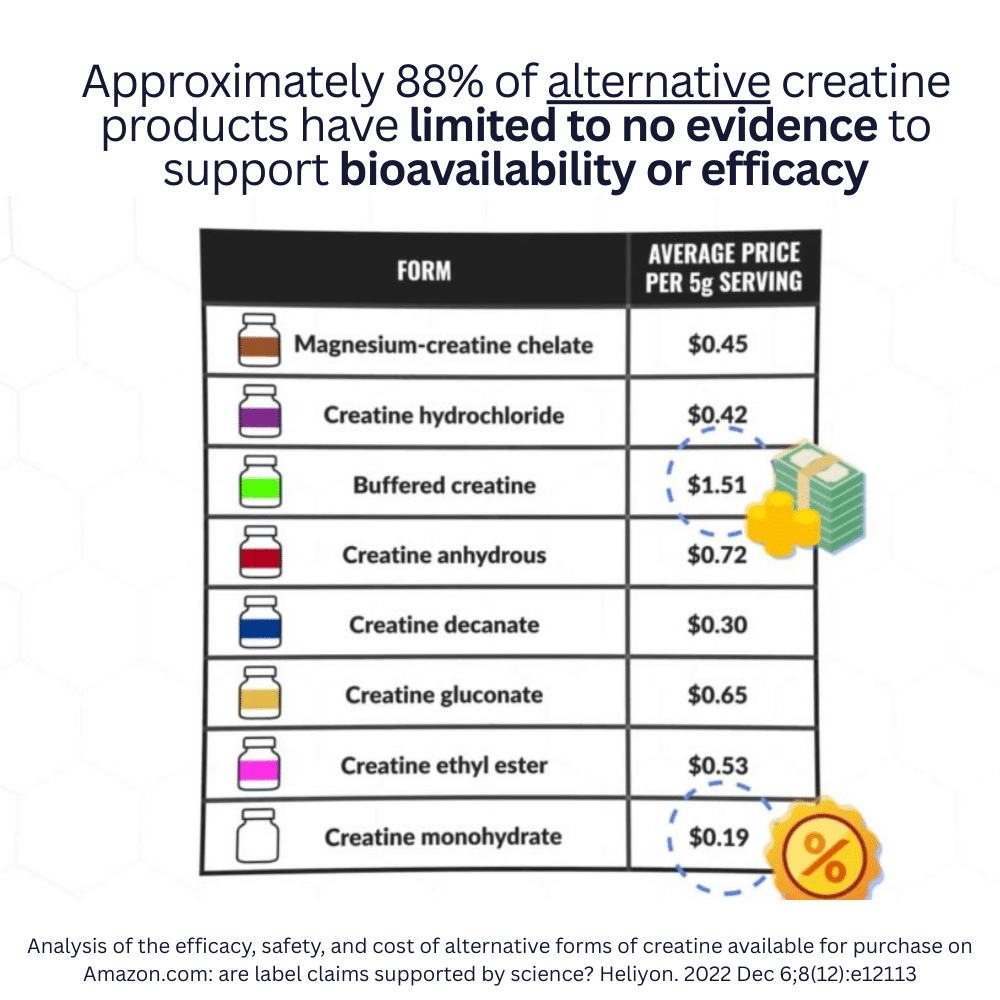
If you’ve done your research on creatine, then you may have seen influencers touting “cutting-edge” versions of creatine, such as creatine HCL and buffered creatine.
These forms of creatine promise “better absorption” or “no loading phase” and have you wondering if you should pay extra for these premium forms.
Unfortunately, like many marketing claims, these “improved” versions of creatine are just ways companies can try to charge more money for the same (and sometimes inferior) product.
And, in this case, there’s actually research to prove it.
A systematic review of a total of 175 creatine supplements found that “approximately 88% of alternative forms of creatine were classified as having limited to no evidence to support bioavailability, efficacy, and safety” compared to basic creatine monohydrate.
The research clearly shows you’re better off saving your money
Best Dollar-for-Dollar Value
Most Researched Form
Formulated by Sports Scientists for Runners
We spent almost a year in development with our sports science team and manufacturer to make sure we got this product just right!
We dove into the research on what types of creatine were based absorbed and how we could formulate to eliminate many of the traditional drawbacks of creatine.
That’s why we offer a full 60-day money-back guarantee, including shipping and handling.
If you’re not completely satisfied with the impact on your workouts and, simply email us for a full refund.
Finally, a creatine that taste great and is easier on the stomach than traditional powders
Try MAS Creatine and if you don’t love it or you’re unhappy for any reason, just let us know via email or phone and we’ll refund your money. No product return needed or complicated policies.